DESIGN BY DROPS
UX design studio for startups and scale ups.
Your product worked at launch. Now business is scaling, but the cracks in product are showing. You're in the right place.
Your product worked at launch. Now business is scaling, but the cracks in product are showing. You're in the right place.
UX Design for start ups & scale ups
Product problems come in all shapes and sizes. The real friction lives in the handoffs between teams, product touch points, and assumptions within teams.

Akash Datta
Founder & UX Principle
Akash Datta
Founder & UX Principle
After 10+ years in tech companies, I kept seeing the same pattern. Products that worked beautifully at launch would buckle under the pressure of new user types, new markets, and growing teams. But, the fixes always created more issues down the line.
After 10+ years in tech companies, I kept seeing the same pattern. Products that worked beautifully at launch would buckle under the pressure of new user types, new markets, and growing teams. But, the fixes always created more issues down the line.
I built Design by Drops to work with tech companies on focused problems with a scale mindset. Just targeted work, no fluff.
Map the journey.
Find the gaps.
Design the fix.
That's the scalable way.
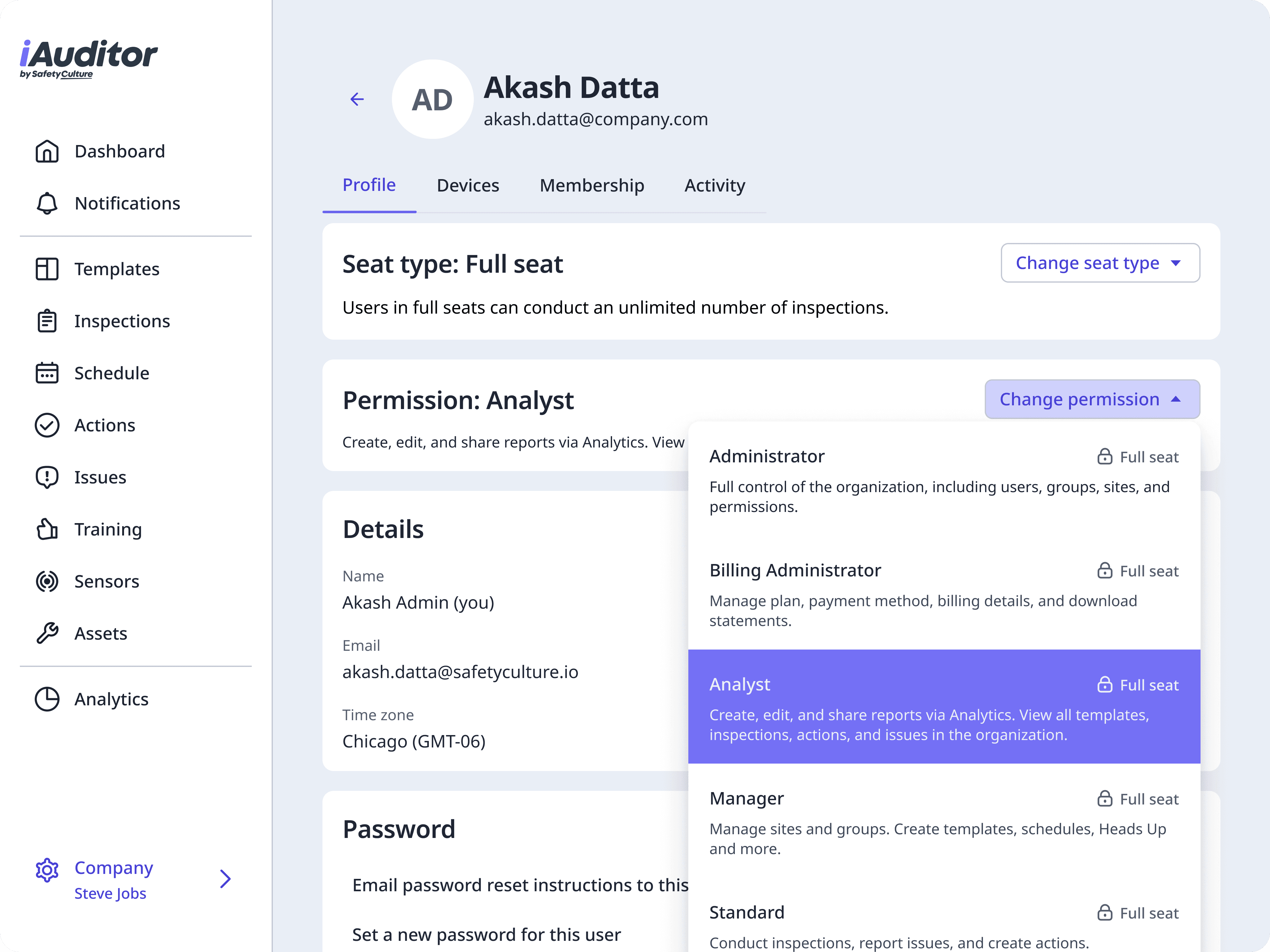
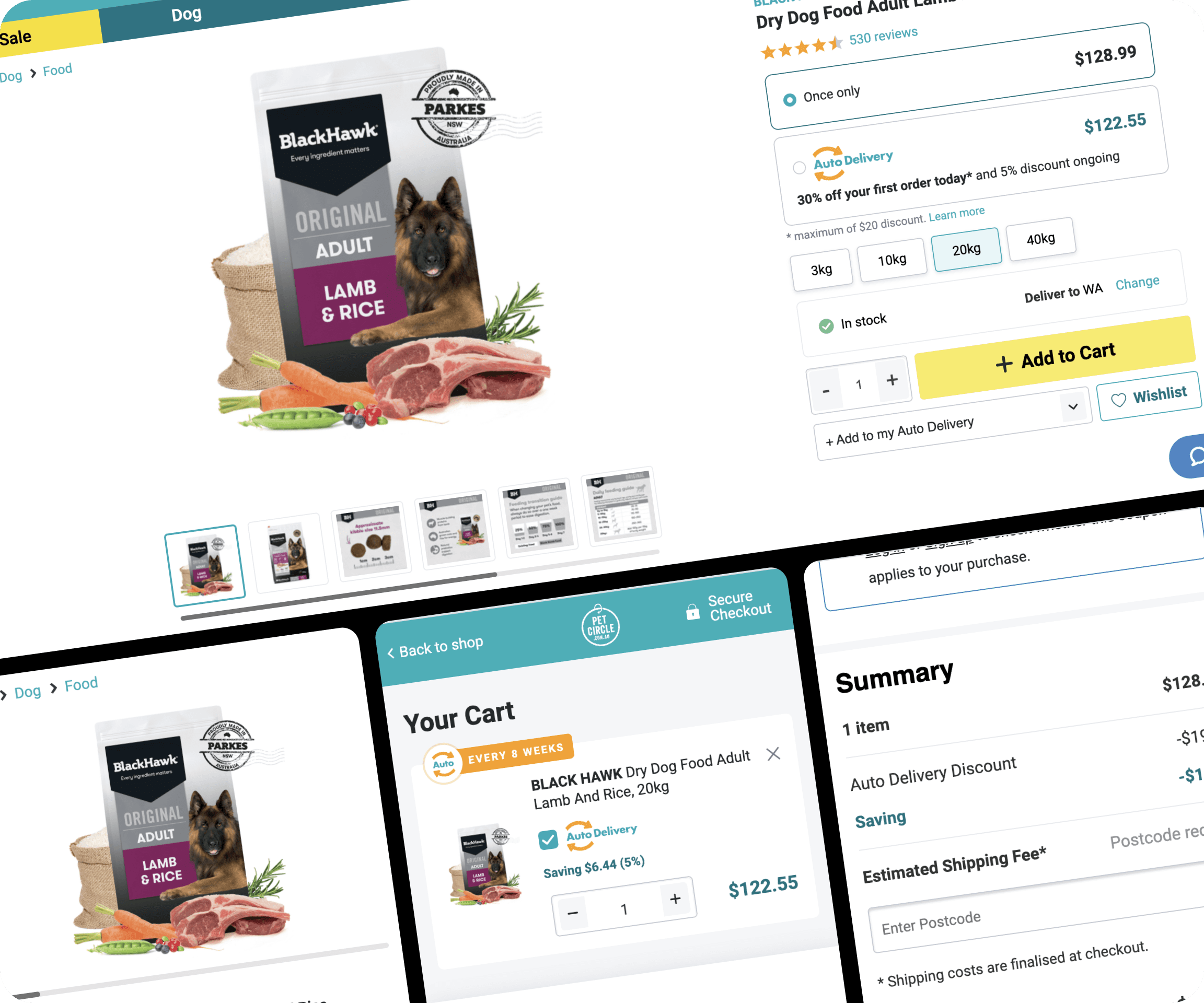

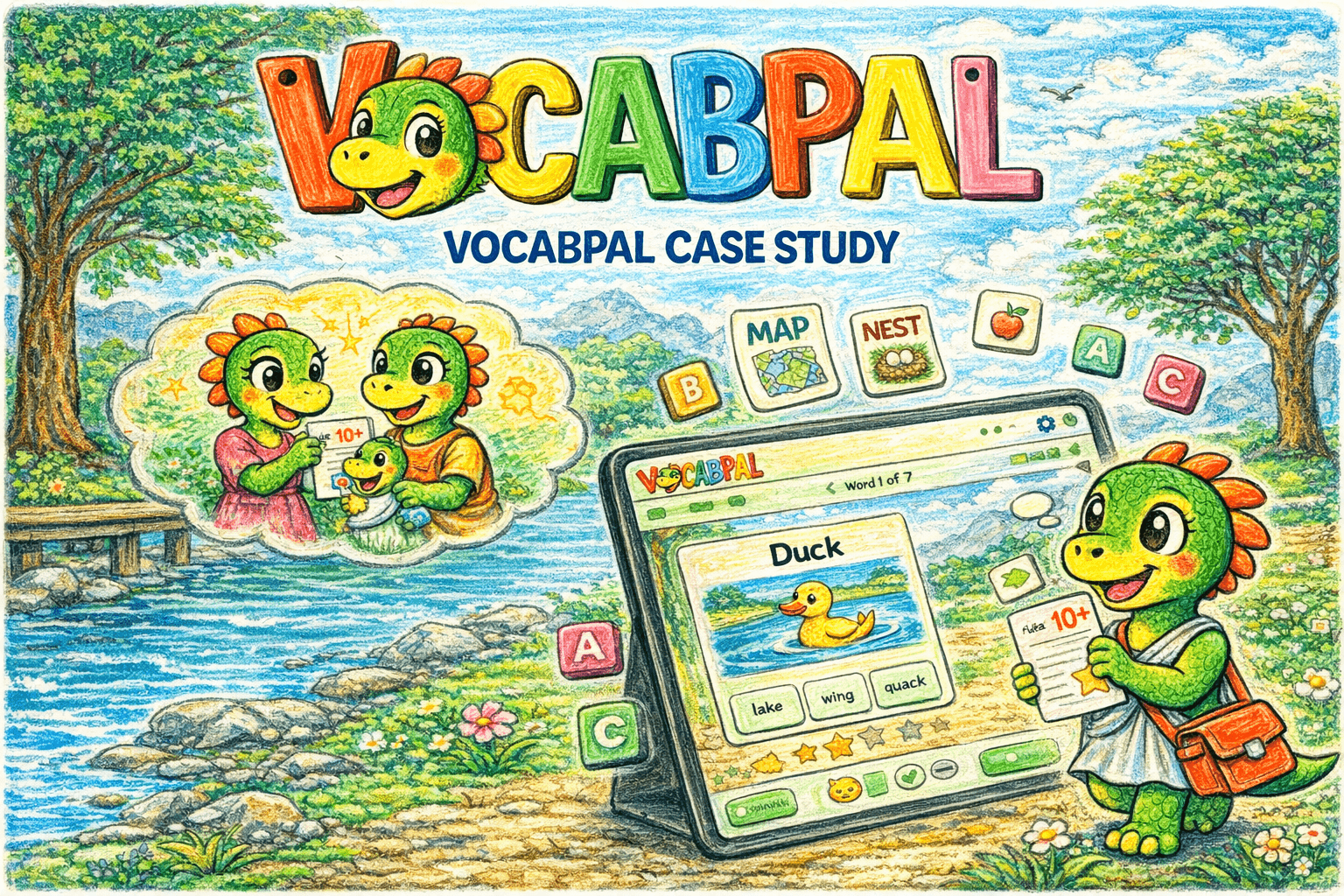

Why choose us
Scaling your product requires clarity and focus.
It's common to lose clarity when validating an idea and scaling a product quick. The gaps in your users experience are the best starting point.
2015
2018
2022
2024
2026
clients
Happy and counting.
days
Instead of weeks to audit
weeks
Focused engagements
Focused engagements,
not open-ended retainers.
Map first, design second
Every engagement starts with defining what we're improving and what we need to learn: so research is targeted and design solves the right problems.
Outcomes approach
We mix elements of service design, UX design, and product strategy to best suit the targeted outcomes.
Services
Services
Two simple ways to work together.
Focused Sprint
A focused engagement with a clear deliverable.
$5,000 AUD
4-6 weeks
What's included
Focused Sprint
A focused engagement with a clear deliverable.
$5,000 AUD
4-6 weeks
What's included
Embedded Partner
Embedded UX strategy, month to month.
$8,000 AUD
Timeline: 4–6 weeks
What's included
Embedded Partner
Embedded UX strategy, month to month.
$8,000 AUD
Timeline: 4–6 weeks
What's included
Testimonials
Happy words from happy customers.



Jacob Tait
Principal Product Manager
Heidi (ex-SafetyCulture)
Klaas Raaijmakers
Director of Product & Growth
Think Digitally (ex-Chief Product Officer, Deputy)
Lisi Schappi
Senior Director of Design
Deputy
Working with Akash was a genuine partnership. He consistently pushed us to think deeper about the problem, not just the solution, and helped build lasting design capability within the team.
Akash brought clarity to complex problem spaces and helped align product, design, and engineering around well-reasoned solutions. I would happily work with Akash again and strongly recommend him as a strategic design partner.
Akash is particularly strong at bringing people together, creating alignment across teams, and making collaboration feel natural and energising. What sets Akash apart is how he connects great design to real business outcomes.

$10M +
Enterprise Clients Unlocked

1M +
Shift Work Managers Helped
+ 13%
Customer Retention Rate Increase
Jacob Tait
Principal Product Manager
Heidi (ex-SafetyCulture)
Klaas Raaijmakers
Director of Product & Growth
Think Digitally (ex-Chief Product Officer, Deputy)
Lisi Schappi
Senior Director of Design
Deputy
Working with Akash was a genuine partnership. He consistently pushed us to think deeper about the problem, not just the solution, and helped build lasting design capability within the team.
Akash brought clarity to complex problem spaces and helped align product, design, and engineering around well-reasoned solutions. I would happily work with Akash again and strongly recommend him as a strategic design partner.
Akash is particularly strong at bringing people together, creating alignment across teams, and making collaboration feel natural and energising. What sets Akash apart is how he connects great design to real business outcomes.
$10M +
Enterprise Clients Unlocked
1M +
Shift Work Managers Helped
+ 13%
Customer Retention Rate Increase
Process
How every engagement works.
We've refined our approach over hundreds of projects. Every step is designed to minimize friction and maximize impact. From first call to final delivery, you'll know exactly where we are and where we're going.
24 hours
To kick off after signing. No lengthy onboarding, just straight to work.
48 Hour
Turn around on most requests. Complex projects broken into manageable sprints.
01
Map
I audit the end-to-end customer journey: every touchpoint, handoff, and gap between what users experience and what your team thinks they experience. This defines what we're improving and what we need to learn.
02
Design
Targeted research with real users, followed by rapid prototyping in Figma. Production-ready files with component libraries and developer handoff specs. No static mockups waiting for approval.
03
Measure
Prioritised backlog your team can execute immediately, with clear success criteria so you know if the changes worked.
01
Map
I audit the end-to-end customer journey: every touchpoint, handoff, and gap between what users experience and what your team thinks they experience. This defines what we're improving and what we need to learn.
02
Design
Targeted research with real users, followed by rapid prototyping in Figma. Production-ready files with component libraries and developer handoff specs. No static mockups waiting for approval.
03
Measure
Prioritised backlog your team can execute immediately, with clear success criteria so you know if the changes worked.
FAQ
Everything else you're wondering.

Most scaling products don't need a redesign — they need clarity on where the experience is breaking. A UX audit maps your actual customer journey end-to-end, identifies friction points like onboarding drop-offs, support ticket spikes, or feature confusion, and delivers a prioritised backlog your team can act on immediately. A full redesign is only warranted when the underlying product model no longer fits your users. I start with a 5–7 day audit to surface the real problems before recommending whether deeper work is needed — so you're never paying for a redesign when a targeted fix would do.
A service blueprint maps your complete customer experience — not just what users see on screen, but the communications, operations, and internal handoffs happening behind the scenes. It reveals gaps that UI-level analysis can't: misaligned team workflows, broken handoffs between departments, or operational bottlenecks that create friction for users. For example, at SafetyCulture I discovered that enterprise onboarding wasn't failing because of unclear screens — it was failing in the handoff between sales and setup teams. A service blueprint makes those invisible seams visible so you can fix the root cause, not just the symptoms.
Engagements typically run 1–6 weeks depending on the scope. A UX audit takes 5–7 days and delivers a friction analysis with a prioritised recommendations backlog. A service blueprint takes 2–3 weeks and delivers an end-to-end journey map with gap analysis and design principles for your product. Sprint-based UX leadership runs 4–6 weeks and includes user research, rapid prototyping in Figma, usability testing, and production-ready designs with developer handoff specs. Every engagement ends with a clear, actionable output your team can execute — not a slide deck that sits in a folder.
In-house teams are usually deep in delivery and don't have the bandwidth to step back and audit the full customer lifecycle. An external UX strategist brings a fresh perspective on problems your team may be too close to see, dedicated capacity for a focused initiative without pulling designers off their roadmap, and experience across multiple scaling companies that reveals patterns your team hasn't encountered yet. I've worked alongside in-house teams at SafetyCulture, Pet Circle, and Deputy — not replacing their designers, but augmenting their capacity with strategic work that accelerates what they're already doing.
I specialise in scaling tech companies — typically Series A to C. These are products where the experience that worked at launch starts breaking under growth: new user types create complexity, teams ship faster than the experience can keep up, and support load starts climbing. If your product serves multiple user roles, handles sensitive data, or spans digital and operational touchpoints, that complexity is where I do my strongest work. I'm based in Sydney and work with companies across Australia and internationally.
FAQ
Everything else you're wondering.
Most scaling products don't need a redesign — they need clarity on where the experience is breaking. A UX audit maps your actual customer journey end-to-end, identifies friction points like onboarding drop-offs, support ticket spikes, or feature confusion, and delivers a prioritised backlog your team can act on immediately. A full redesign is only warranted when the underlying product model no longer fits your users. I start with a 5–7 day audit to surface the real problems before recommending whether deeper work is needed — so you're never paying for a redesign when a targeted fix would do.
A service blueprint maps your complete customer experience — not just what users see on screen, but the communications, operations, and internal handoffs happening behind the scenes. It reveals gaps that UI-level analysis can't: misaligned team workflows, broken handoffs between departments, or operational bottlenecks that create friction for users. For example, at SafetyCulture I discovered that enterprise onboarding wasn't failing because of unclear screens — it was failing in the handoff between sales and setup teams. A service blueprint makes those invisible seams visible so you can fix the root cause, not just the symptoms.
Engagements typically run 1–6 weeks depending on the scope. A UX audit takes 5–7 days and delivers a friction analysis with a prioritised recommendations backlog. A service blueprint takes 2–3 weeks and delivers an end-to-end journey map with gap analysis and design principles for your product. Sprint-based UX leadership runs 4–6 weeks and includes user research, rapid prototyping in Figma, usability testing, and production-ready designs with developer handoff specs. Every engagement ends with a clear, actionable output your team can execute — not a slide deck that sits in a folder.
In-house teams are usually deep in delivery and don't have the bandwidth to step back and audit the full customer lifecycle. An external UX strategist brings a fresh perspective on problems your team may be too close to see, dedicated capacity for a focused initiative without pulling designers off their roadmap, and experience across multiple scaling companies that reveals patterns your team hasn't encountered yet. I've worked alongside in-house teams at SafetyCulture, Pet Circle, and Deputy — not replacing their designers, but augmenting their capacity with strategic work that accelerates what they're already doing.
I specialise in scaling tech companies — typically Series A to C. These are products where the experience that worked at launch starts breaking under growth: new user types create complexity, teams ship faster than the experience can keep up, and support load starts climbing. If your product serves multiple user roles, handles sensitive data, or spans digital and operational touchpoints, that complexity is where I do my strongest work. I'm based in Sydney and work with companies across Australia and internationally.
FAQ
Everything else you're wondering.
Most scaling products don't need a redesign — they need clarity on where the experience is breaking. A UX audit maps your actual customer journey end-to-end, identifies friction points like onboarding drop-offs, support ticket spikes, or feature confusion, and delivers a prioritised backlog your team can act on immediately. A full redesign is only warranted when the underlying product model no longer fits your users. I start with a 5–7 day audit to surface the real problems before recommending whether deeper work is needed — so you're never paying for a redesign when a targeted fix would do.
A service blueprint maps your complete customer experience — not just what users see on screen, but the communications, operations, and internal handoffs happening behind the scenes. It reveals gaps that UI-level analysis can't: misaligned team workflows, broken handoffs between departments, or operational bottlenecks that create friction for users. For example, at SafetyCulture I discovered that enterprise onboarding wasn't failing because of unclear screens — it was failing in the handoff between sales and setup teams. A service blueprint makes those invisible seams visible so you can fix the root cause, not just the symptoms.
Engagements typically run 1–6 weeks depending on the scope. A UX audit takes 5–7 days and delivers a friction analysis with a prioritised recommendations backlog. A service blueprint takes 2–3 weeks and delivers an end-to-end journey map with gap analysis and design principles for your product. Sprint-based UX leadership runs 4–6 weeks and includes user research, rapid prototyping in Figma, usability testing, and production-ready designs with developer handoff specs. Every engagement ends with a clear, actionable output your team can execute — not a slide deck that sits in a folder.
In-house teams are usually deep in delivery and don't have the bandwidth to step back and audit the full customer lifecycle. An external UX strategist brings a fresh perspective on problems your team may be too close to see, dedicated capacity for a focused initiative without pulling designers off their roadmap, and experience across multiple scaling companies that reveals patterns your team hasn't encountered yet. I've worked alongside in-house teams at SafetyCulture, Pet Circle, and Deputy — not replacing their designers, but augmenting their capacity with strategic work that accelerates what they're already doing.
I specialise in scaling tech companies — typically Series A to C. These are products where the experience that worked at launch starts breaking under growth: new user types create complexity, teams ship faster than the experience can keep up, and support load starts climbing. If your product serves multiple user roles, handles sensitive data, or spans digital and operational touchpoints, that complexity is where I do my strongest work. I'm based in Sydney and work with companies across Australia and internationally.